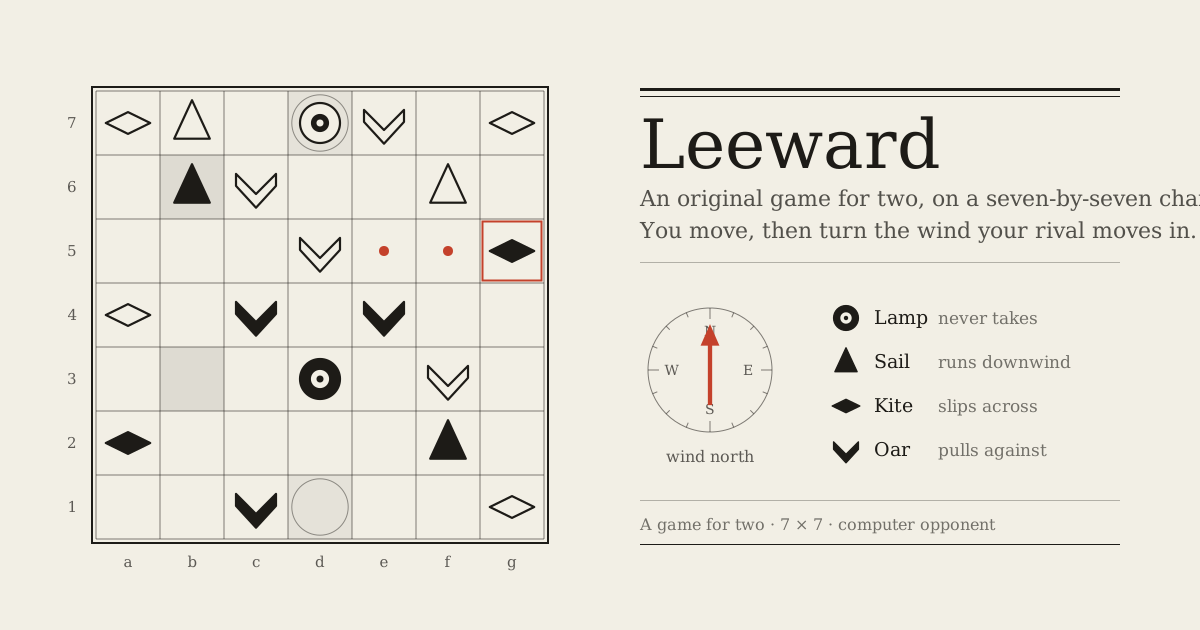
Leeward
An original two-player board game on a seven-by-seven chart. Every piece moves by the wind, and whoever moves sets the wind for the other side.
Contents, Works, and ...
An original two-player board game on a seven-by-seven chart. Every piece moves by the wind, and whoever moves sets the wind for the other side.
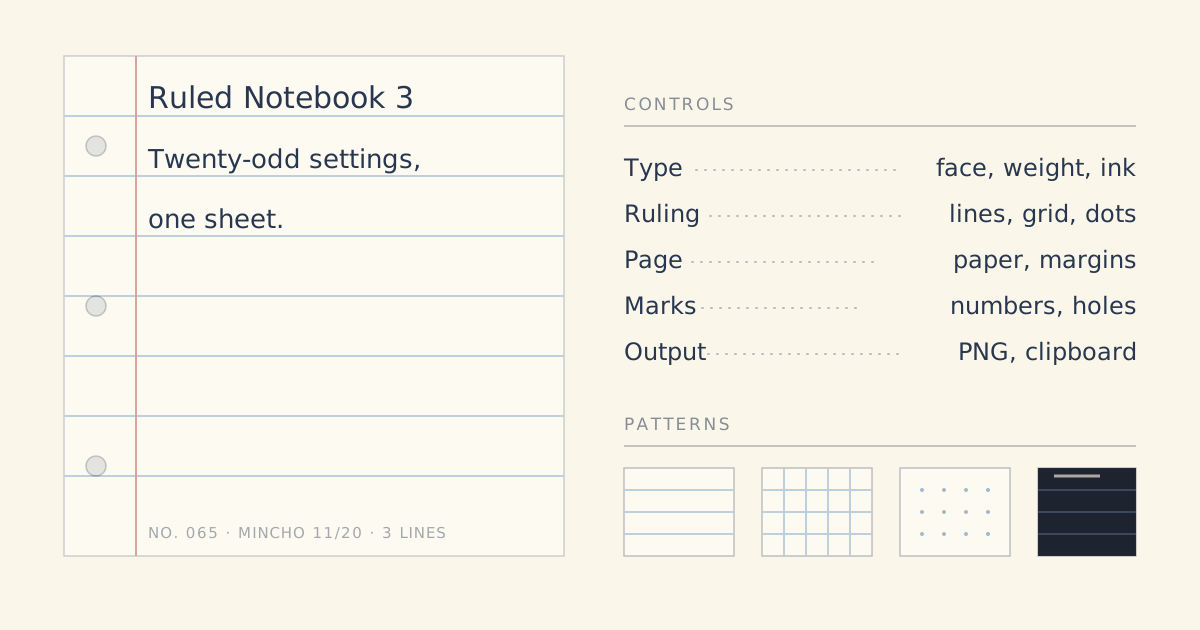
The self-lengthening ruled sheet, now with a full set of controls: faces, rule patterns, paper, margins, alignment, line numbers, binding holes and PNG export.

An 82-second anime ending for the same show that doesn't exist: the runner from the opening and her relay team-mate walk home along a river at blue hour, watch a train cross the bridge and share a pair of headphones under the stars — a 3D rig drawn at human proportions, a ray-traced GLSL background and a sampled-piano ballad.

A 66-second anime-style opening for a show that doesn't exist: a flat, hoodie-wearing heroine dances while her pastel city boots up into a neon cyberpunk night and melts into a city-pop dusk — drawn live in Canvas 2D, scored with Tone.js, finished with a WebGL shader.
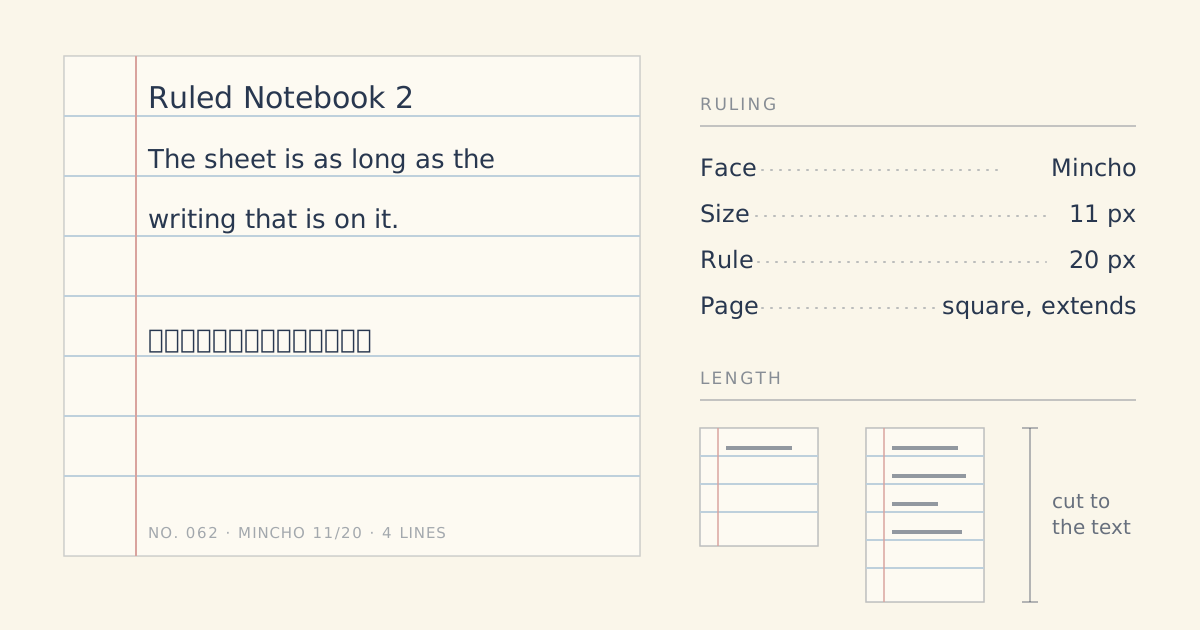
A ruled sheet that is as long as the writing on it: set the face, the size and the rules, and the page finds its own length so nothing ever runs off the bottom.
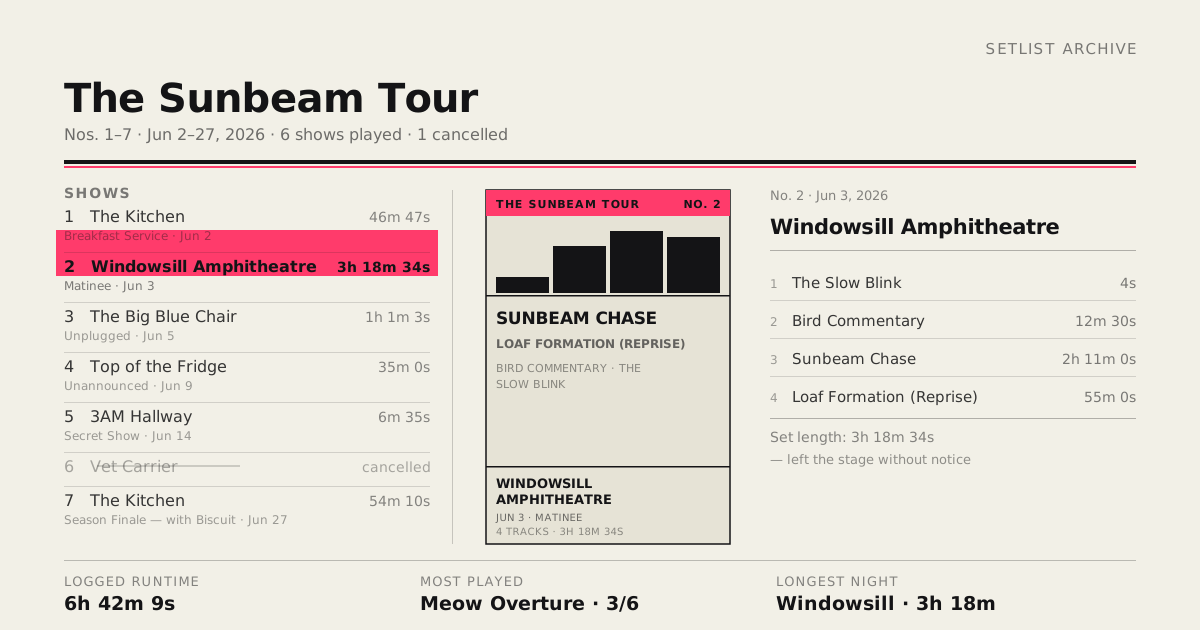
A fictional setlist archive kept from the cat's side of the house — seven booked dates, six venues, one cancelled show, each night logged track by track and printed as its own gig poster, billed by length so the longest track of the evening headlines it.
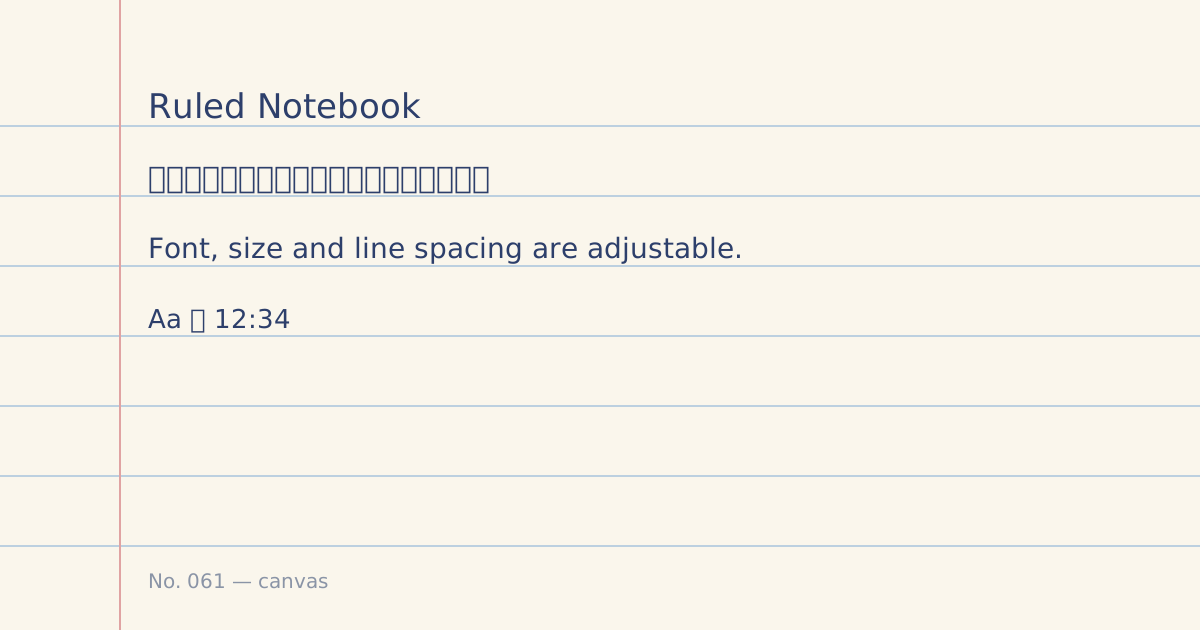
A plain lined notebook page — what you type in the box appears on the ruled paper, with the font, size and line spacing all adjustable.
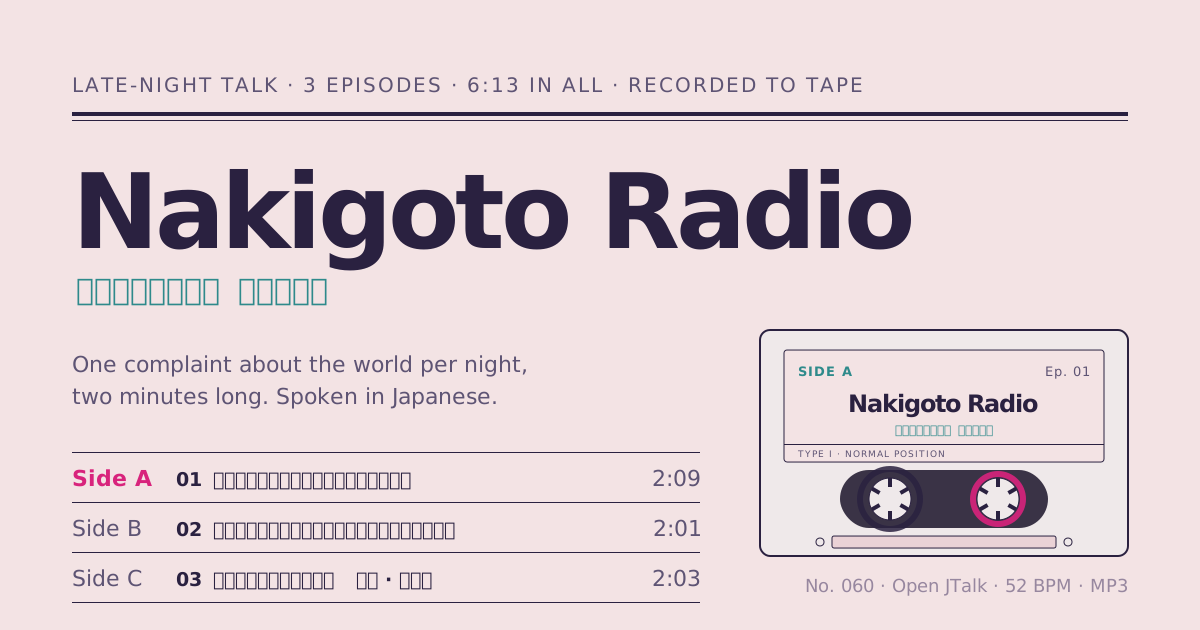
A late-night talk programme that exists only on tape — three two-minute episodes, spoken in Japanese, each one complaint about how the world is arranged now, followed by the one thought the host has managed to have about it; on the third night a second host arrives to cheer things up and fails. A synthesised voice slowed on a tape deck, a four-chord bed that never resolves, and a J-card with the transcript printed on it.
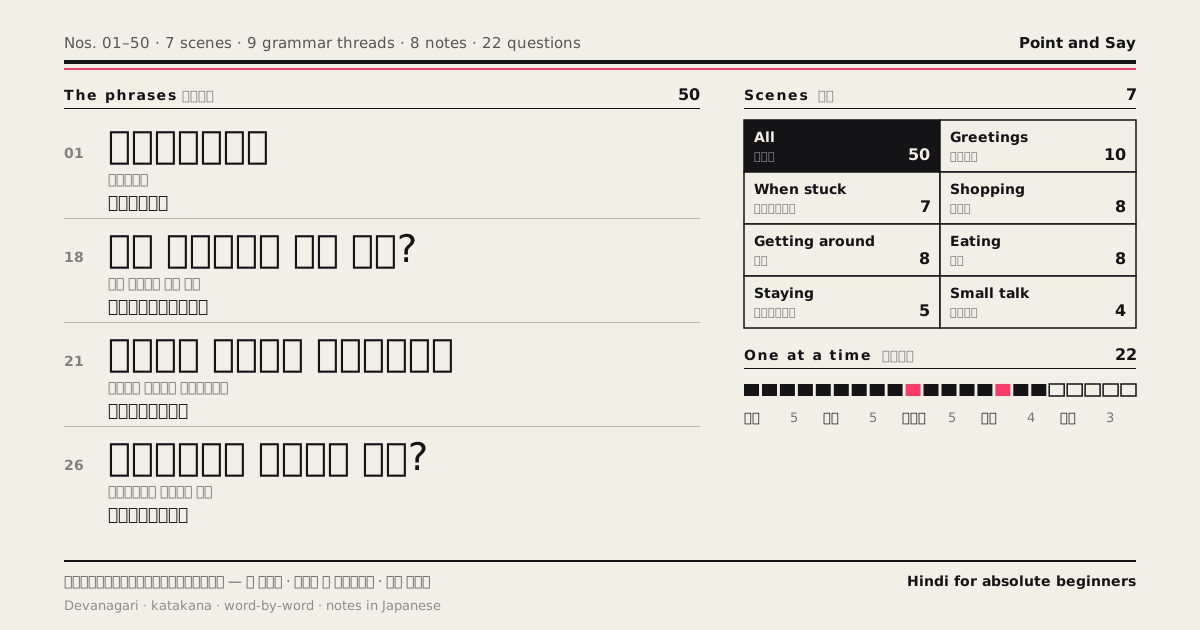
A pocket phrasebook for absolute beginners in Hindi — fifty everyday and travel sentences, each carried by Devanagari, a katakana reading pitched at how the words are actually said, an English gloss, a word-by-word breakdown and a note in Japanese on why the sentence takes the shape it does, with the grammar it uses threaded through all fifty and twenty-two questions to answer one at a time.

Eight wave trains summed over a sloping bed: each one shoals as the bottom rises, steepens past the depth that can carry it, breaks, and runs out as a sheet across the sand.

To perfect a sheet is to turn it over and print the reverse. This one turns the Earth: nineteen stations set beside their antipodes as a two-plate register, with the section through the centre drawn between them, and every plate pulled from the public map embed — no key, no API.

A still life is arranged on a cloth, lit, and drawn the way an atelier teaches it — block-in, contour, shadow shape, then modelling with strokes that run round the form. When the sheet is finished the group is struck, a new one is set up, and it starts again.

A link-verified digest of Claude Code loop-engineering practice for team development — the agentic loop, verification gates, CLAUDE.md/hooks/permissions, and the eval harness that keeps them honest, with all 50 sources checked.

One month of the links page read straight through and set out as a monthly bulletin — thirty-two sources sorted into seven departments, each under its own title and annotated in Japanese prose written for this page rather than quoted from the source, and indexed by the six arguments that kept recurring and the departments they run through.

The same run of machine-written stories as the Morning Edition sheet, taken as figures instead of prose — every score distributed, averaged and ranked on one statistical page, where choosing a measure redraws the field and choosing a story follows it through every plate.

The recent run of a machine that writes one short story every morning — each set beside the three Aozora Bunko texts it was made from, the notes on what it took from them, its critique and its scores, in a three-column sheet that never grows longer than the screen however many mornings it holds.

A fictional 1997 corporate website — a company that manufactures the sound of shopping malls — and six operators that push it through the transformations vaporwave is actually made of. At zero it is a sober Japanese business homepage. Every pink pixel that appears after that is the output of a process you can name: dye densities decaying, chroma bandwidth collapsing, halfwidth Latin falling into ideographic width, tape slowing, a room getting larger, a loop cut before its cadence.

A second handwriting generator, built the other way round: nothing is warped or thresholded. Every character is a path a pen takes, and the ink is whatever a nib leaves while travelling it — slowing into curves, drifting off the line, keeping its gaps unevenly, joining one roman letter to the next, and finishing every Japanese stroke with the 止め, 払い or 跳ね that belongs to it.

A copybook that writes out whatever you type: every character starts as a printed Mincho form, then gets a slant, a size, a baseline error and a wandering outline of its own — fifteen sliders for the unsteadiness of a hand, and not one line of font.

A press proof that never dries: a folded sheet turns in the light, and every frame is separated into ink plates, screened at its own angle and printed back onto paper — set the screen angle a few degrees off and the whole sheet breaks into moiré.

A single frame from a film that does not exist — a flat-shaded polygon city shot on a virtual camera, printed with haze, halation and grain.

A naturalist's plate that paints itself: seaweed, fans and anemones grow across the sheet in watercolour and ink, the tide washes over, and a new garden starts — endlessly, without being asked.

A rescue excavation played as a deduction game. Buried features lie in straight runs that never touch, the figures you dig up tell you where, and a contractor's machine strips one row of the site every few days — whatever you have not excavated or correctly marked by then is gone from the record.

One sitter, engraved once for every year from birth to a hundred. No photograph exists of them and none was used: each of the 101 plates is cut on the spot from a mathematical model of a face, and the scale under the print is a century long.

The weather page of a region that is not there. One atmospheric model runs the clock forward and every panel reads off it — the synoptic chart, both satellite channels, the radar, the hourly meteogram, the warnings and the seven-day outlook.

A quarry sample press that keeps cutting new stone on its own — hold it when you like a slab, then save it as a print-resolution PNG.

The fourth journey of the little light — wear one of three hues, walk on the glass that answers your colour and straight through the glass that does not, refract yourself off prisms, and take the Kaleidoscope apart.

Survey an uncharted strait from a small launch: the seabed is invisible until you sound it, the falling tide redraws the coastline under you, and the sheet you produce is the score.

Paste any text and it comes back as a printer's galley — every invisible, counterfeit or accidental character struck in red pencil, the correction written out in the margin. Set each mark or let it stand, then copy the clean revise.
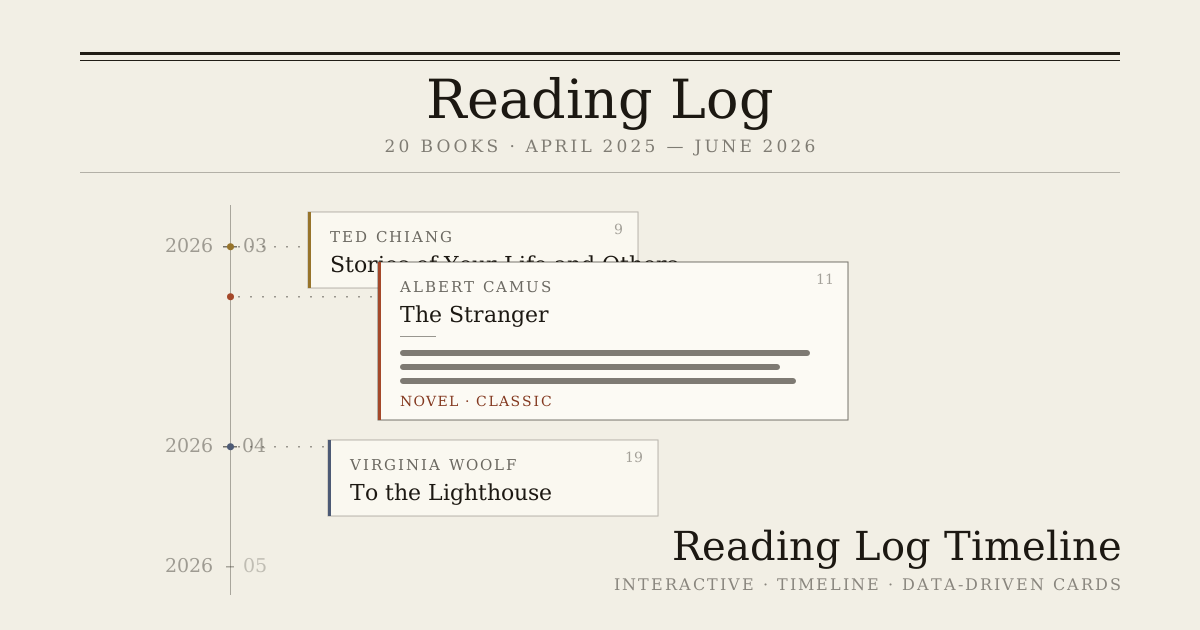
A vertical timeline of books read, month by month. Cards float freely beside a yyyymm axis; tap one to unfold the reading memo.
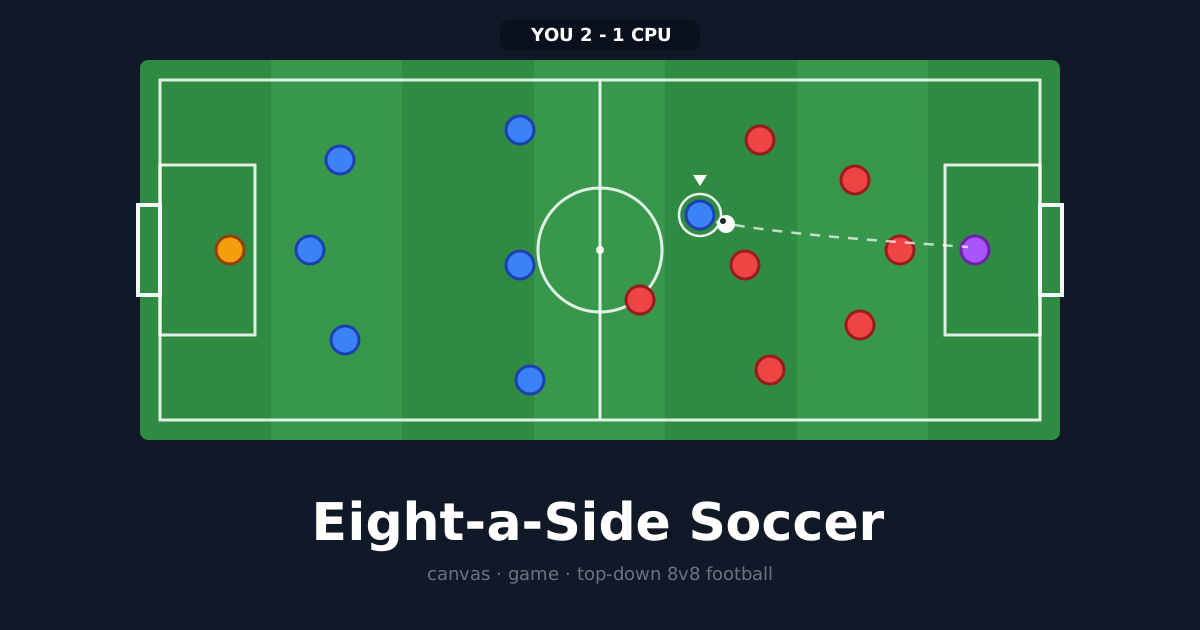
A full top-down 8v8 soccer match — dribble, thread through balls, and steer your shots past diving keepers, with corners, throw-ins and a CPU team to beat.
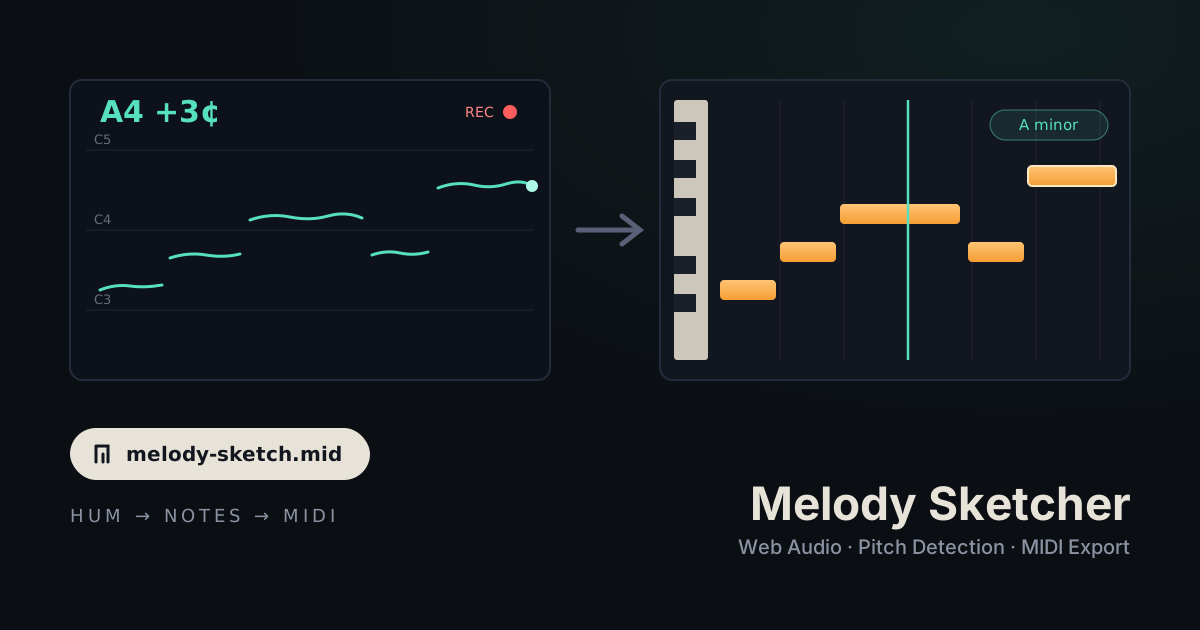
Hum or whistle into your mic and watch it become editable notes — then download a real MIDI file. Pitch detection, piano-roll editing, and synthesis, all in your browser.
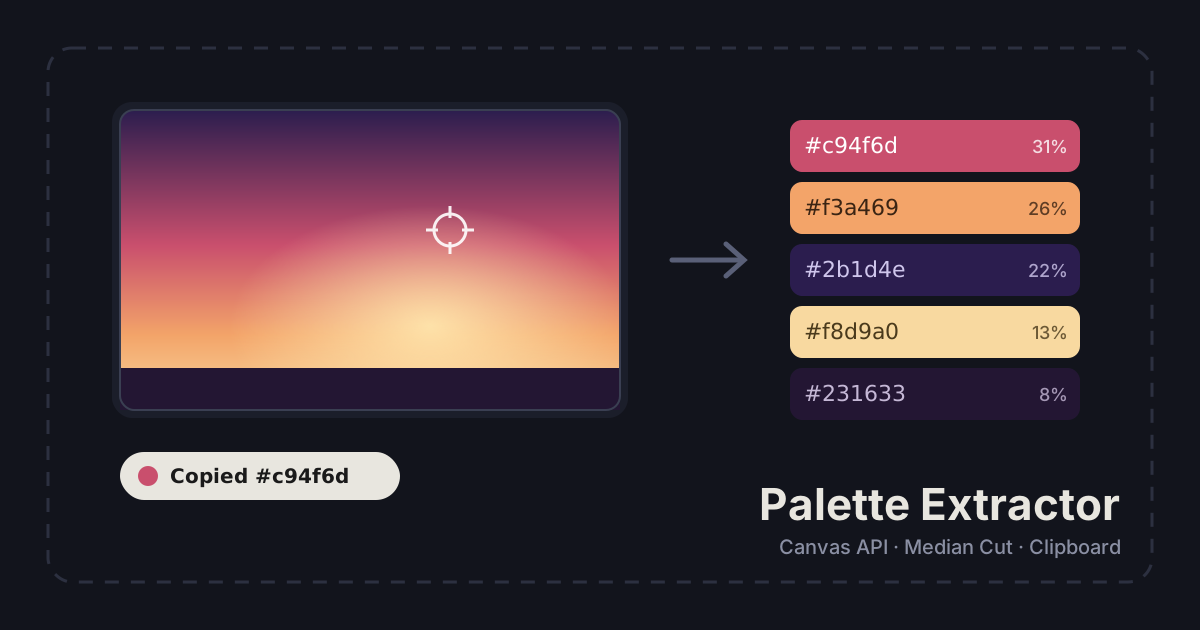
Pull a color palette out of any image — drag & drop, paste, or pick a sample, then click to copy. Everything runs in your browser.
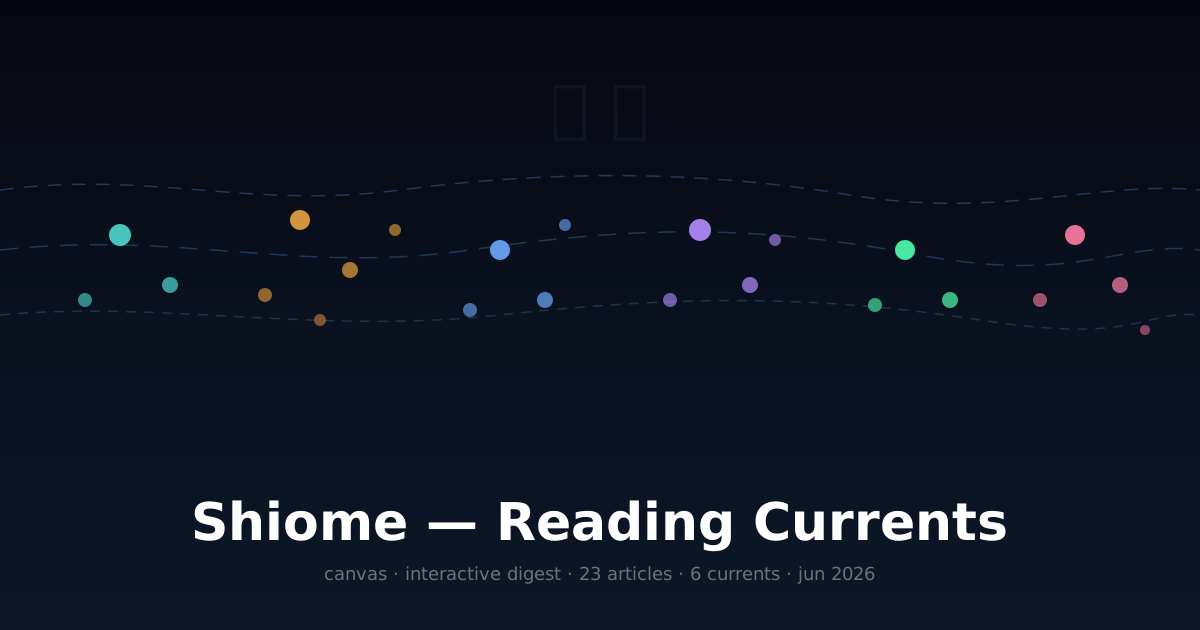
An interactive digest of 23 articles from June 2026, distilled into 6 thematic currents drifting along a canvas shoreline. Hover the pebbles, pick a current, read its essence (in Japanese).
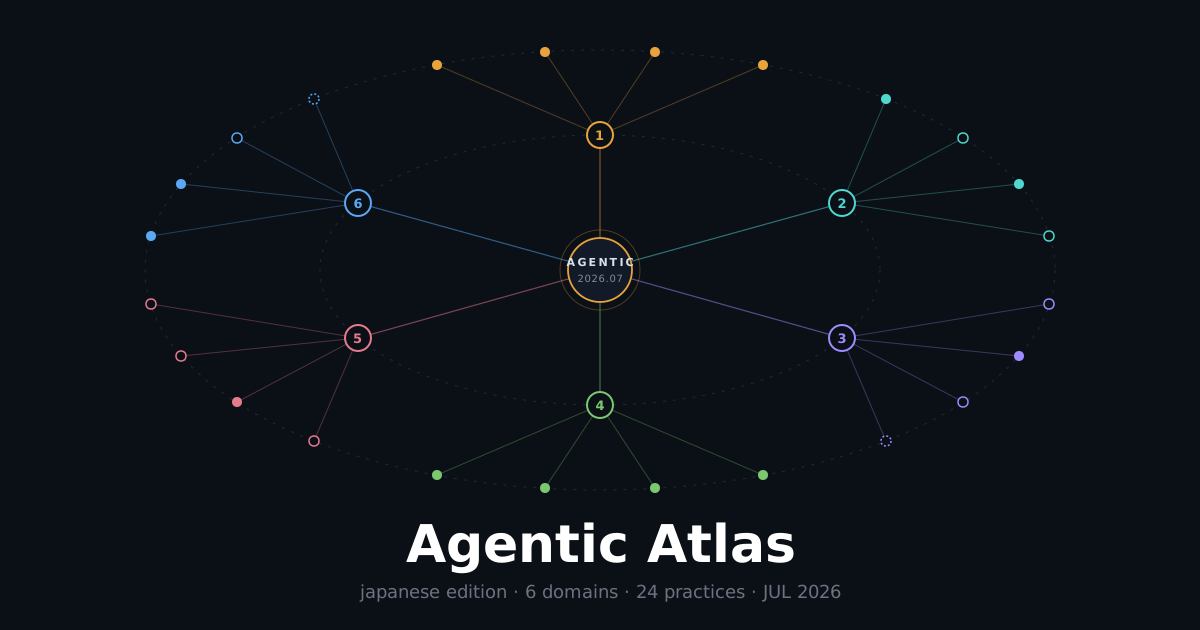
The Japanese-language edition of the Agentic Atlas: the same interactive field guide to agent-era software development — 6 domains, 24 practices — with all field notes translated into Japanese.

An interactive field atlas of software development best practice in the age of coding agents: 6 domains and 24 practices, navigable as a radial map, an index tree, and numbered field notes.
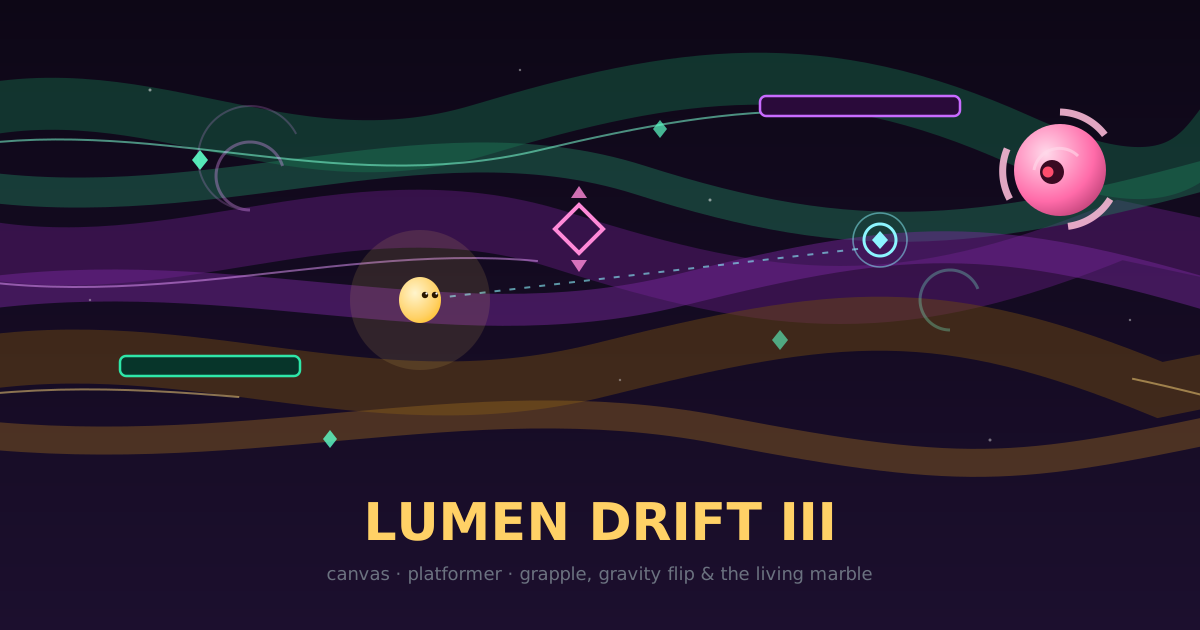
The third journey of the little light — hook grapple beacons, flip gravity to run along ceilings, ride winds and conveyor belts across a living marble void, and crack open the Marble Heart.
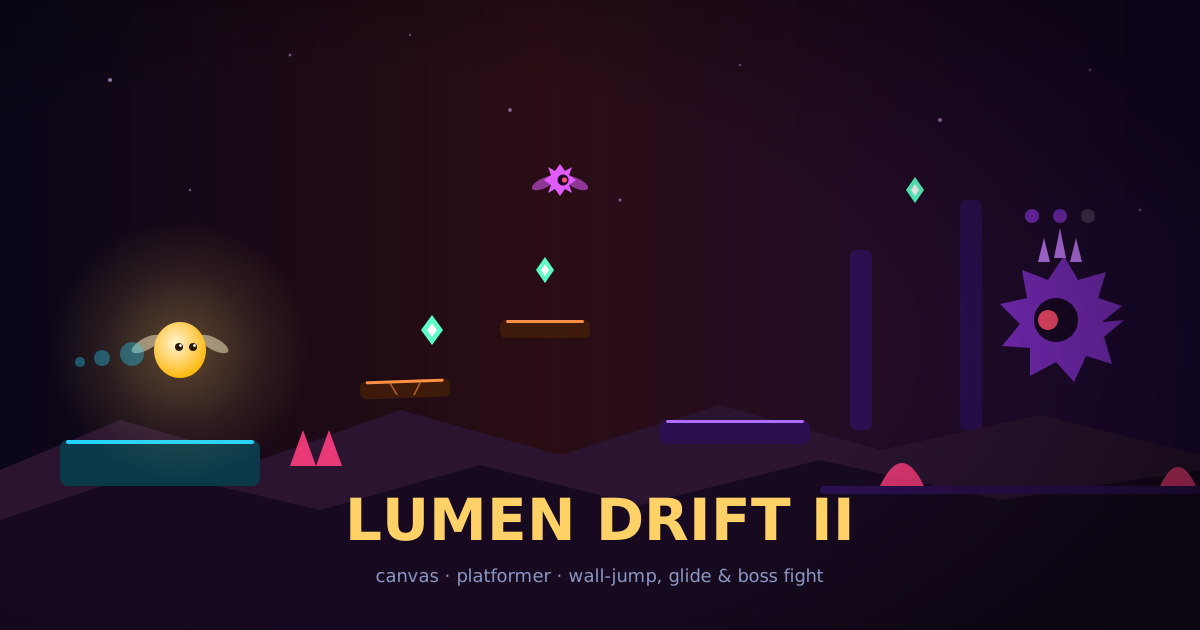
The sequel to Lumen Drift — wall-jump, glide and dash across three zones of the void, keep your light burning through the Ember Depths, and bring down the Void Maw.
Self-evolving marble textures that drift, warp, and shift through palettes autonomously — hit Freeze to lock a moment, Flow to let it breathe again.
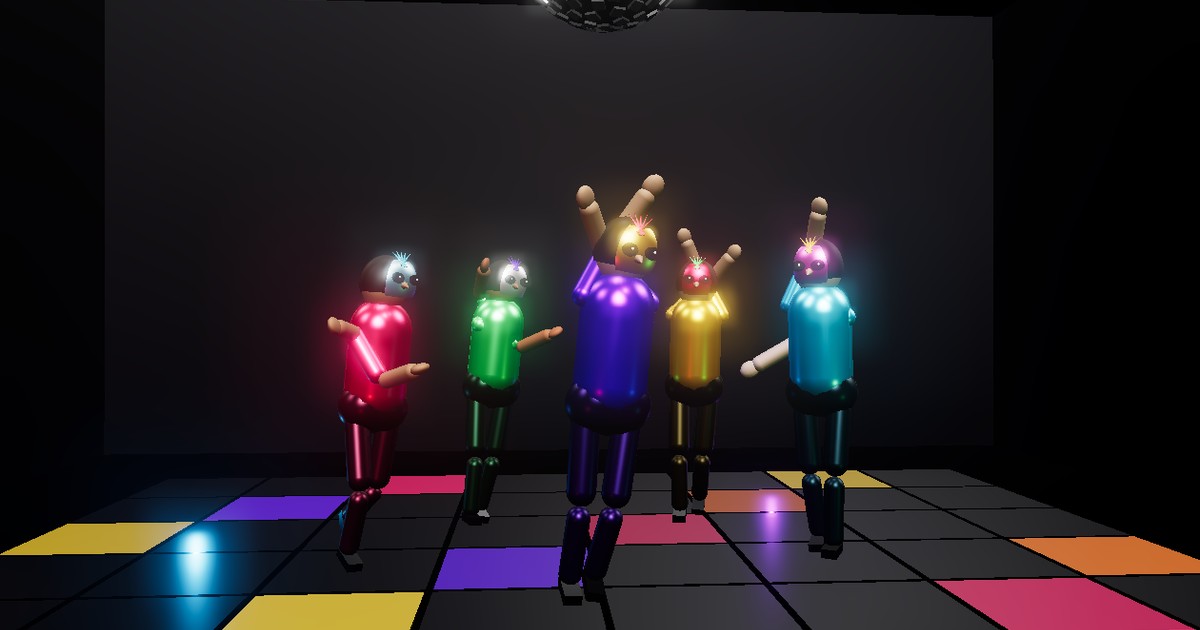
Masquerade-masked dancers groove under a spinning mirror ball in a neon club — a seamless 3D-rendered loop.
Generate organic marble textures from around ten live parameters — noise, turbulence, veins, colors and grain — rendered on Canvas.
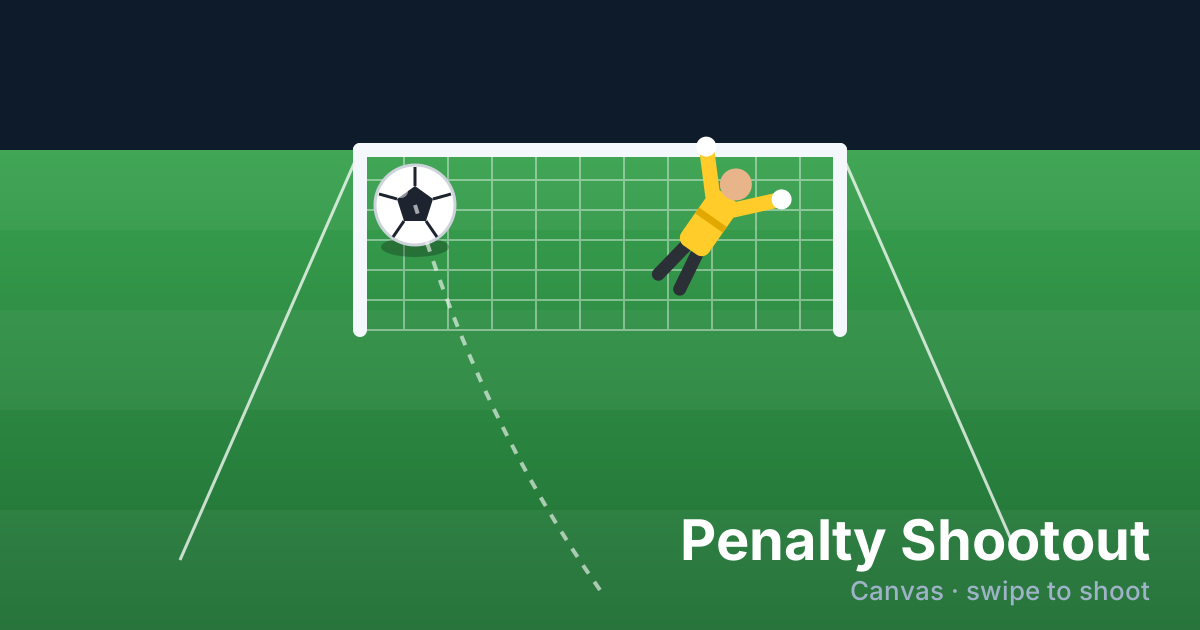
Swipe to curl the ball past the keeper into the top corner — a mobile-friendly soccer penalty game.
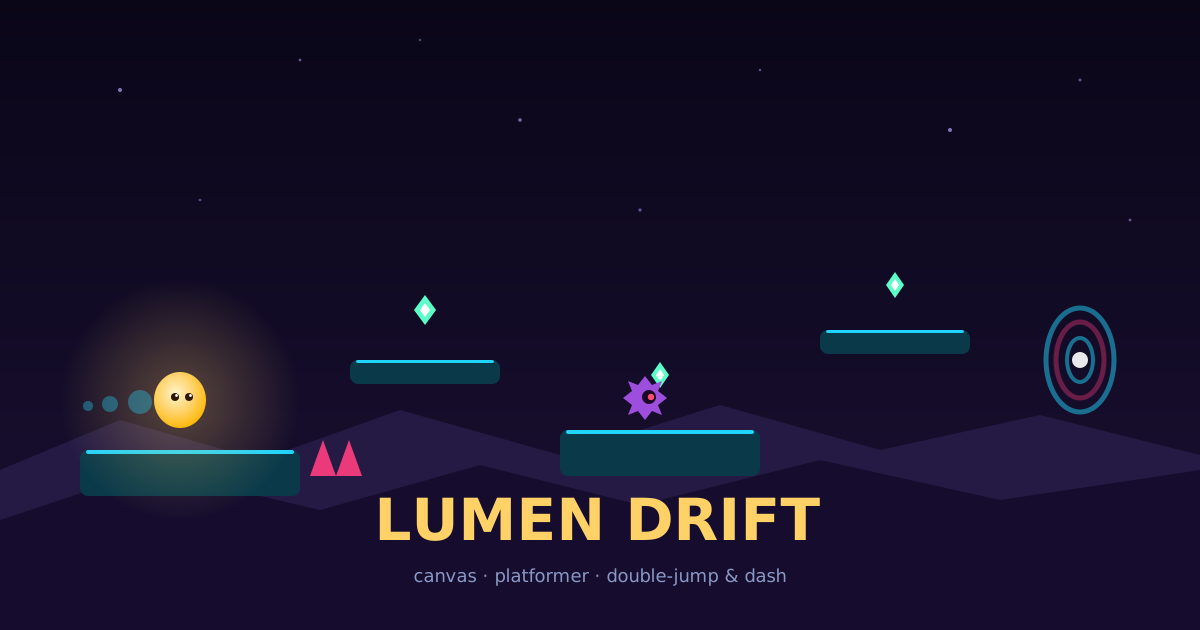
A neon platformer where you guide a glowing orb of light through a dark void — double-jump and dash across drifting platforms, gather light shards, and ride the portal home.
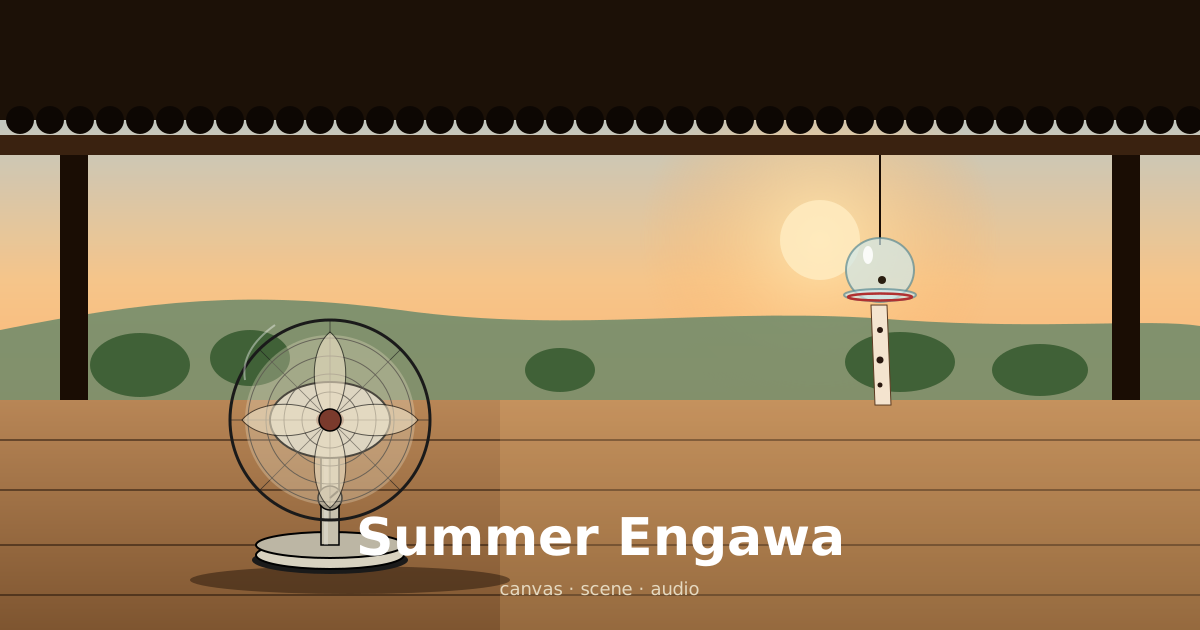
A Showa-era electric fan oscillates beside a glass wind chime on a wooden veranda — half realistic, half cheaply illustrated, with a procedurally synthesised chime.
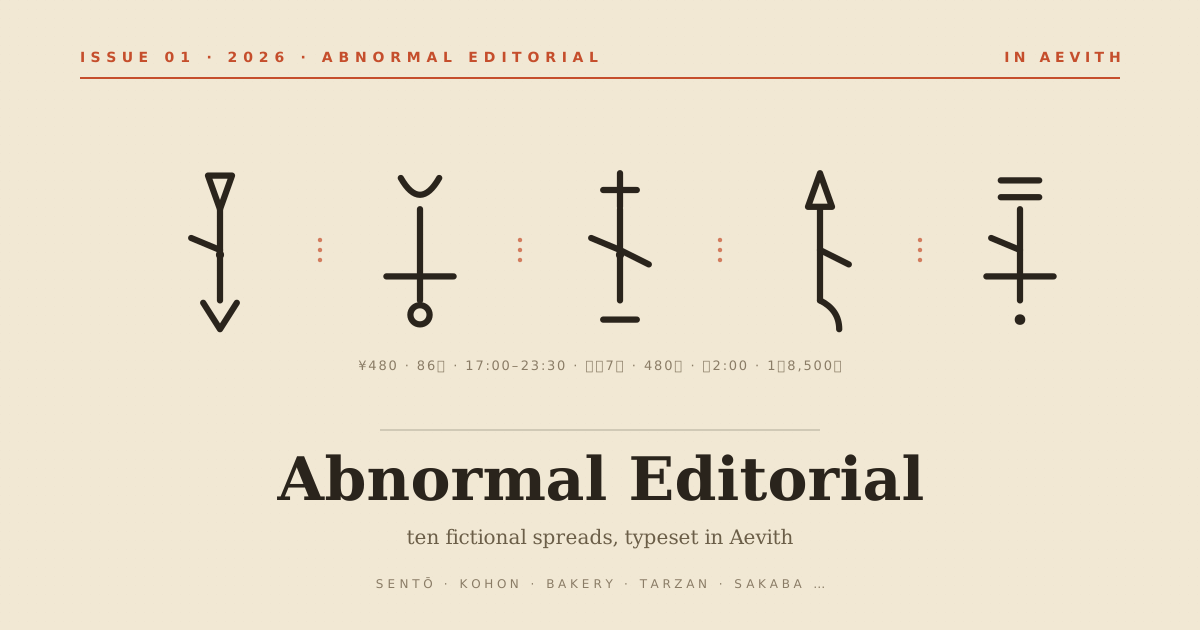
Ten fictional editorial spreads — bath houses where you can cry, bakeries that bake tomorrow's bread, parks where a single summer never leaves — typeset in the invented Aevith script.
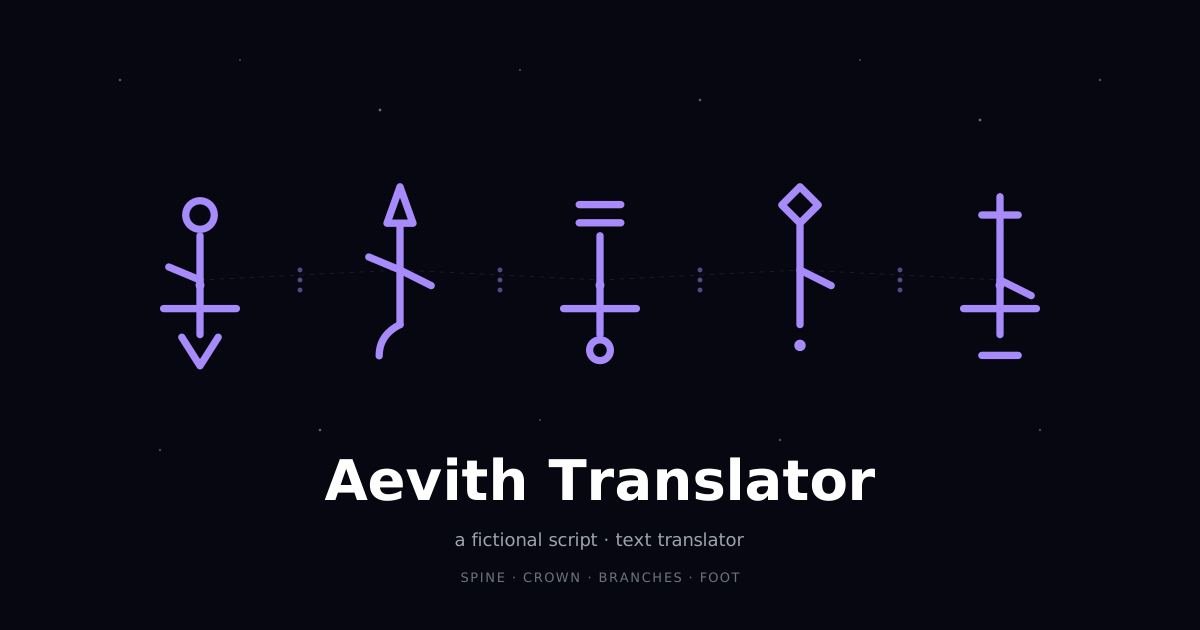
Translate any phrase into Aevith — a fictional script of geometric glyphs woven from spines, crowns, branches, and feet.
Domain-warped particle streams fracture into chromatic layers — a flow field that folds space through itself, tearing apart in periodic glitch cascades.
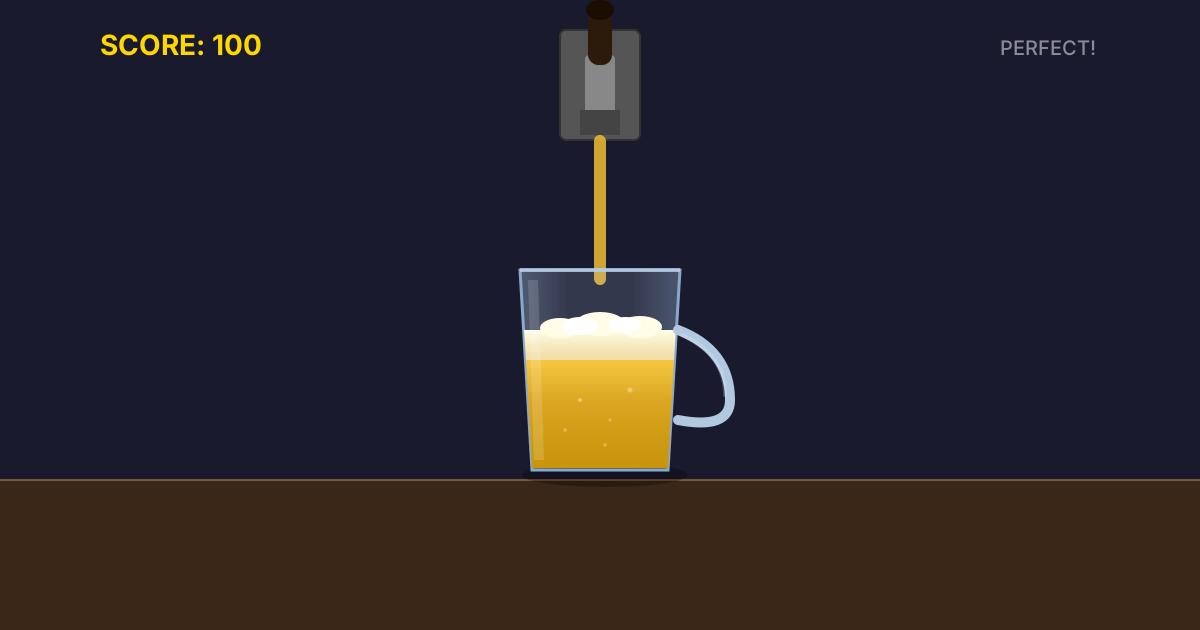
Pour the perfect draft beer — tilt the mug, control the flow, and aim for a flawless golden pour with a creamy head
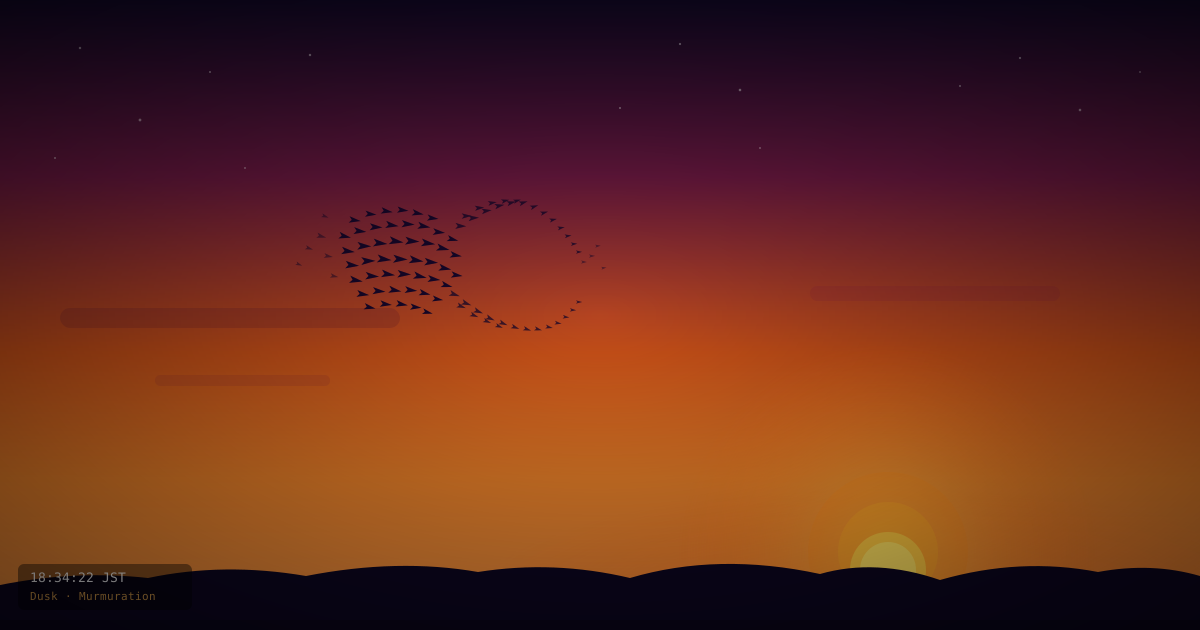
A flock of birds steered by Perlin-noise wind and boids rules. Flight speed, cohesion, alignment, and personal spacing all change automatically with Japan Standard Time — roosting at night, formation flight in the morning, murmuration at dusk.
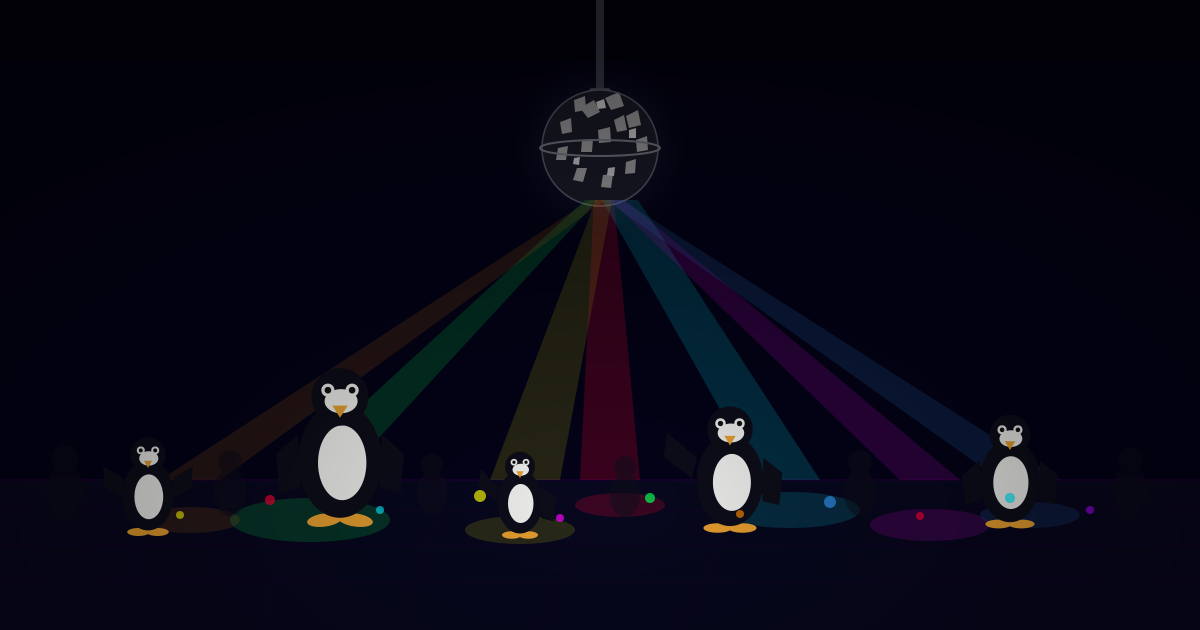
Classic black-and-white penguins rave under a spinning disco mirror ball. Tap anywhere to reshuffle the crowd.
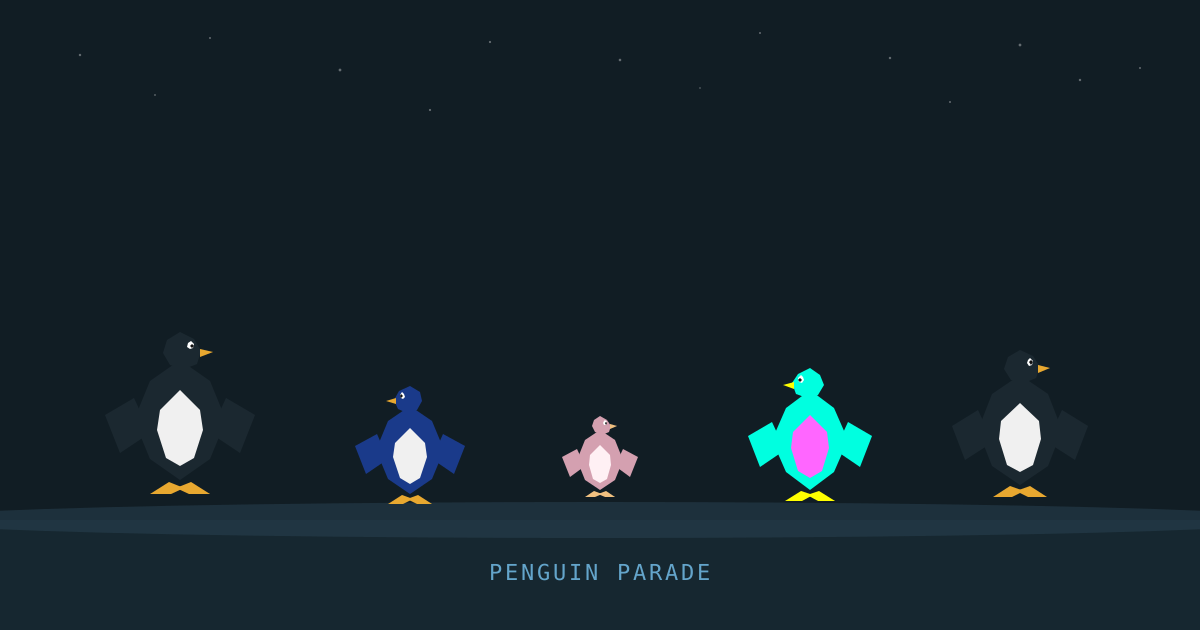
Polygon-built penguins of various sizes, speeds, and colors waddle across the screen. Tune five parameters to shape the parade.
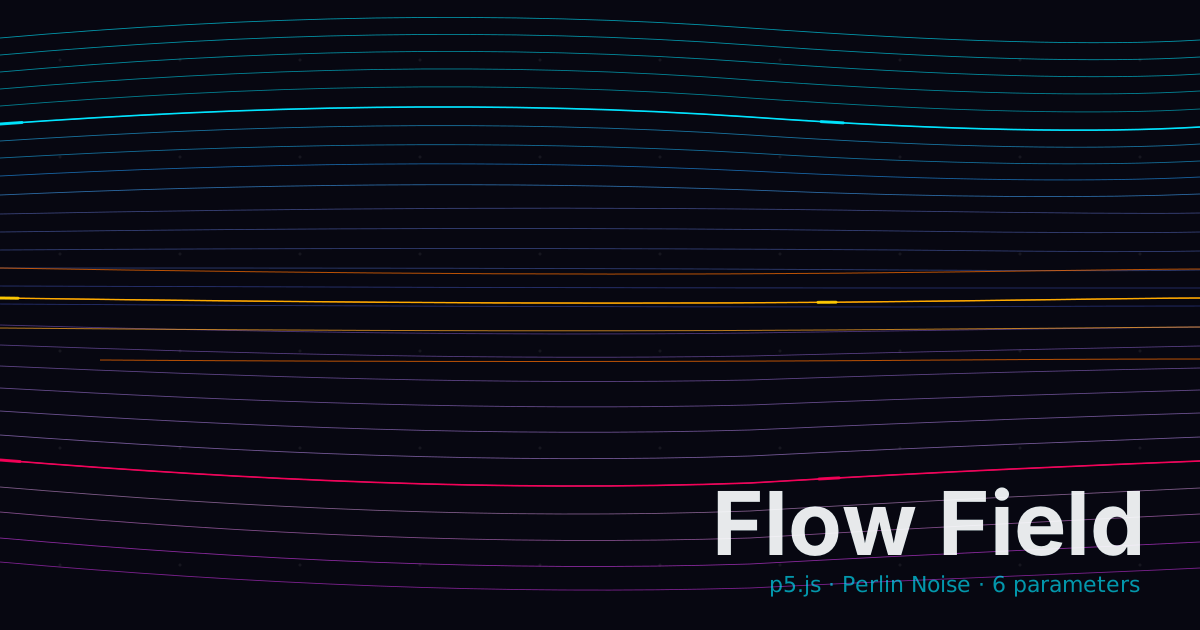
Perlin noise flow field where hundreds of particles follow a smooth vector field in real time. Six parameters to tune the look.
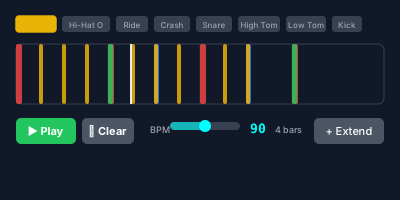
A strip-based beat sequencer. Place 8 drum sounds freely on a continuous timeline and loop play.
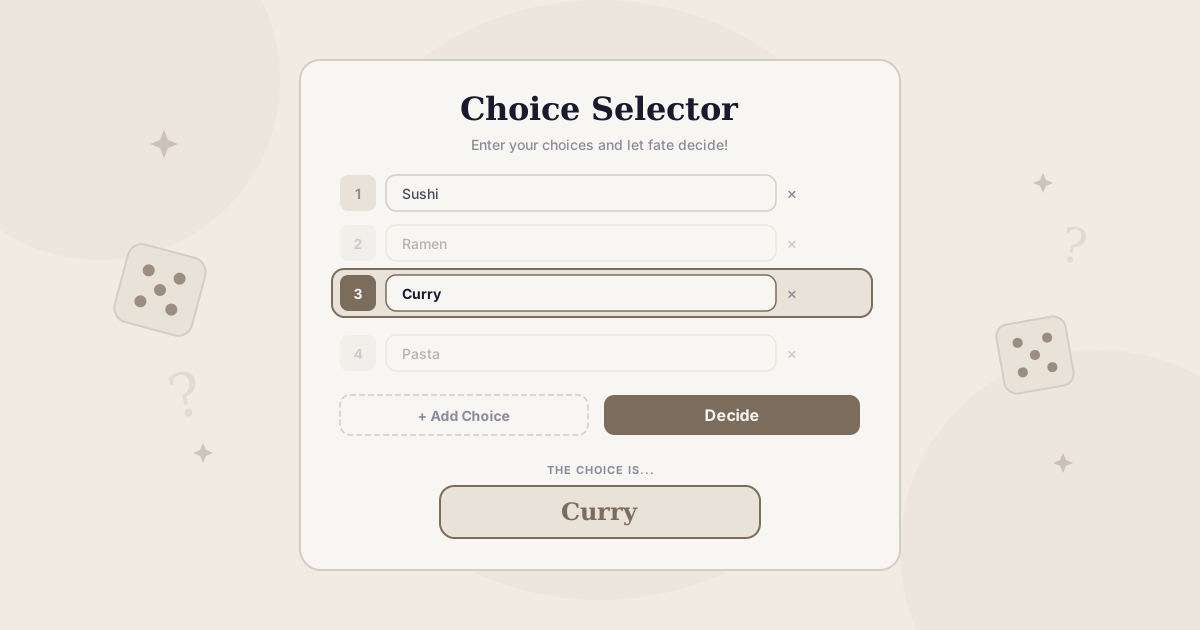
Enter your choices and randomly pick one — let fate decide!
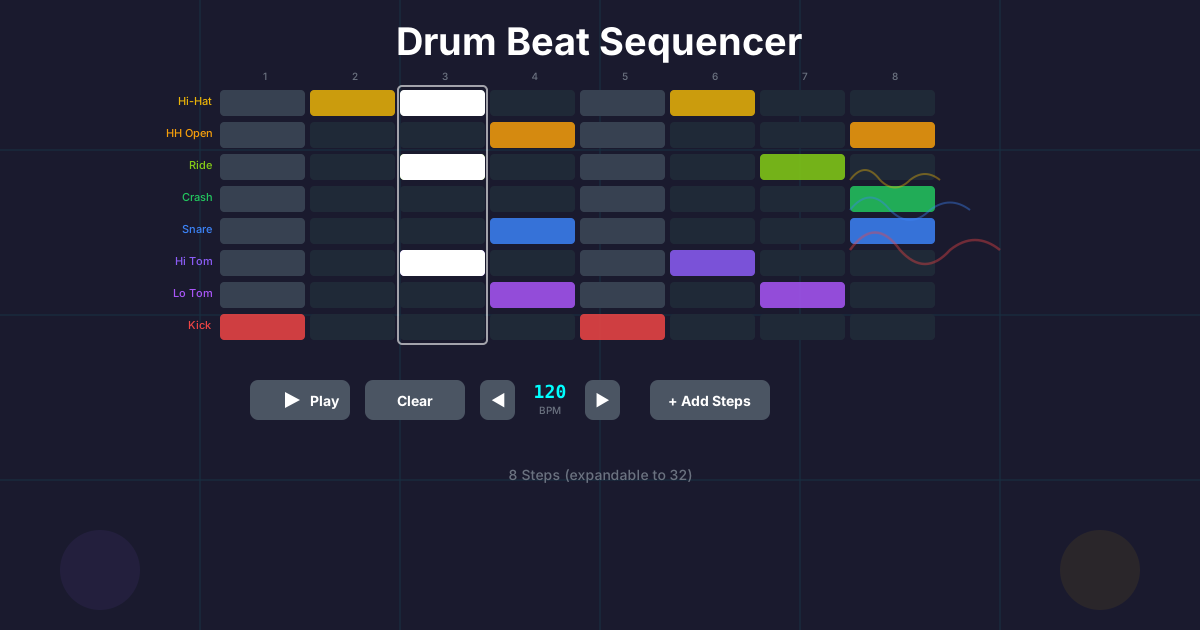
A grid-based drum sequencer with 8 instruments and expandable steps. Click cells to compose beats directly on the timeline.
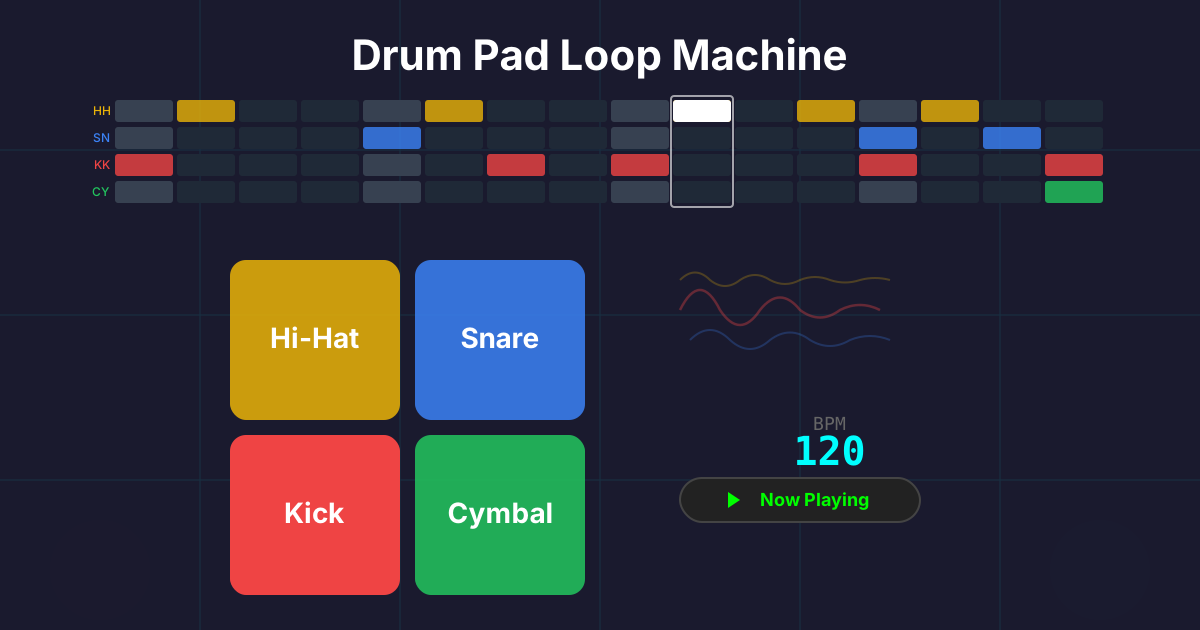
A drum pad loop machine with 4 instruments and a step sequencer. Tap pads to build beats that loop automatically.
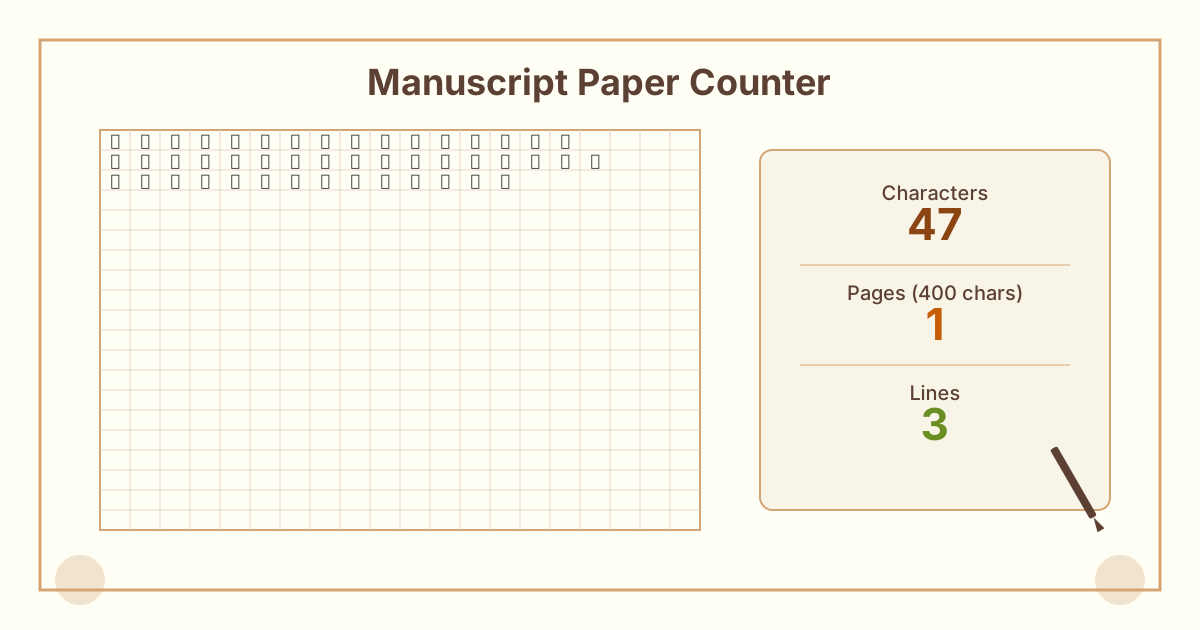
Convert text to Japanese manuscript paper (Genkō yōshi) format with character count
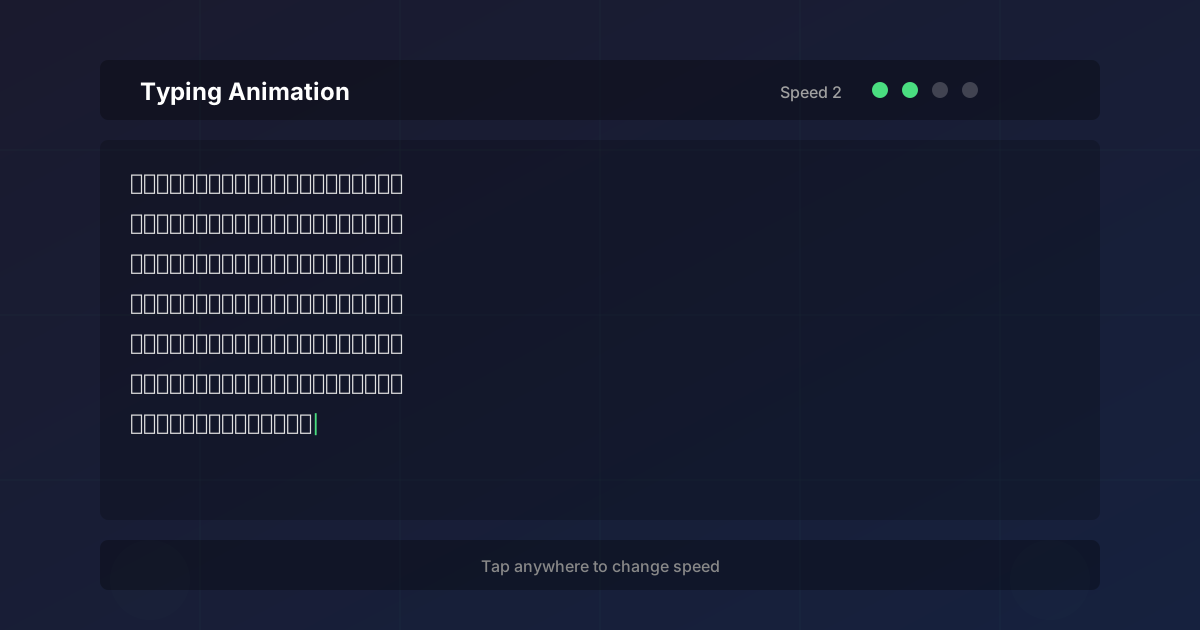
Text typing animation with 4 speed levels - tap to change speed
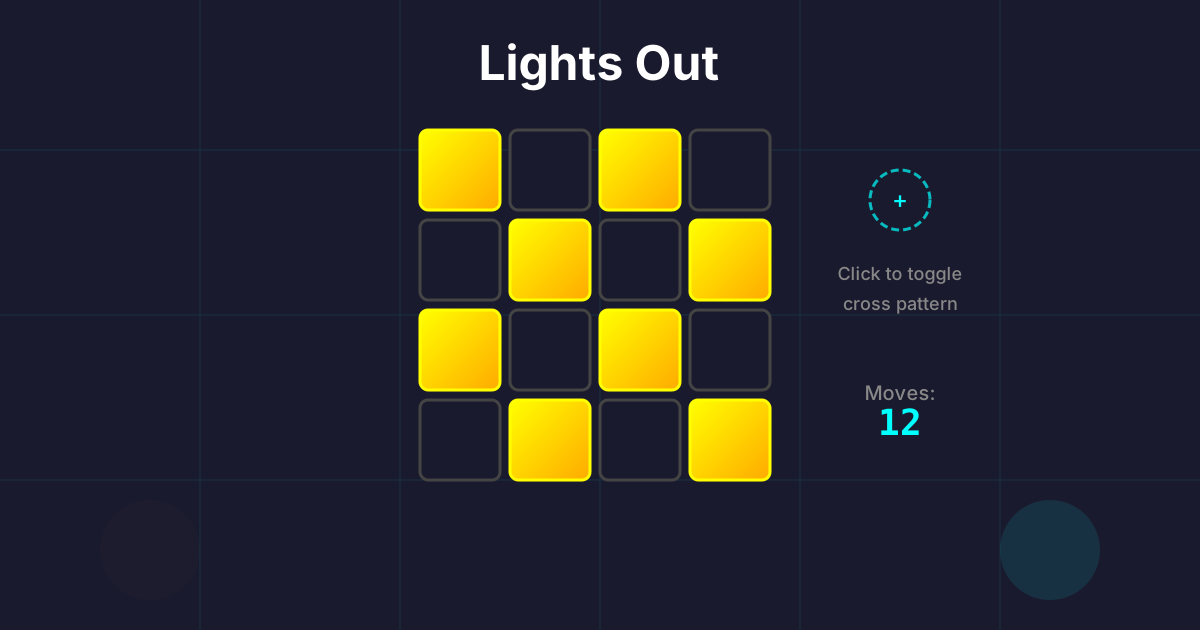
4×4 grid puzzle - Turn off all the lights to win!
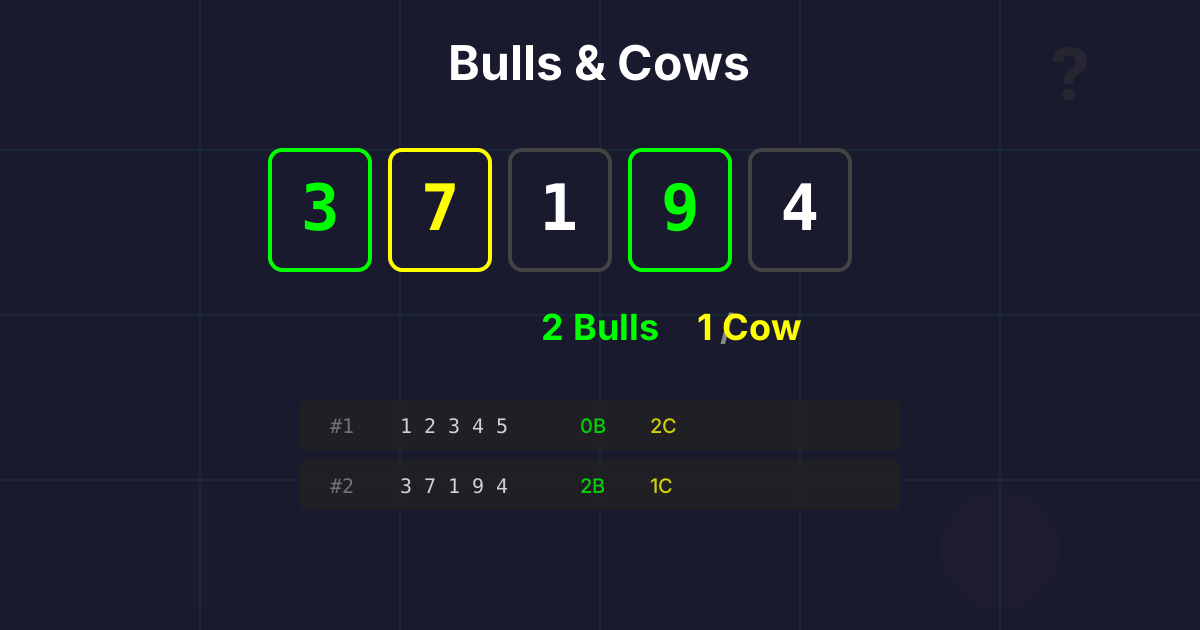
5-digit number guessing game with Bulls and Cows feedback
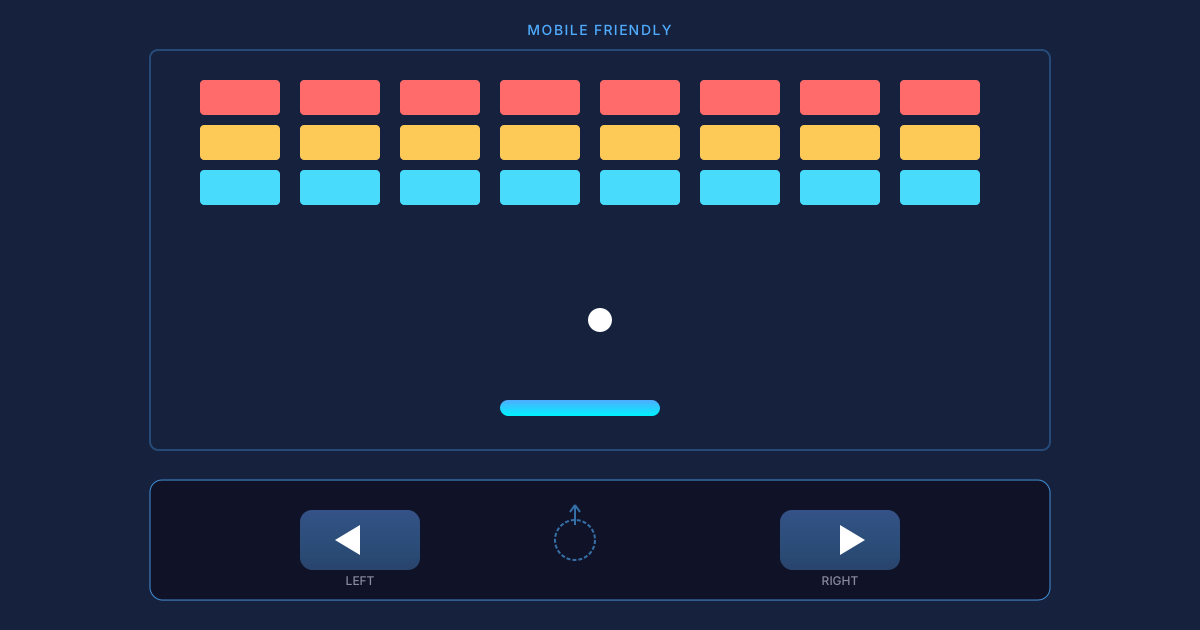
Brick-breaking game with on-screen button controls
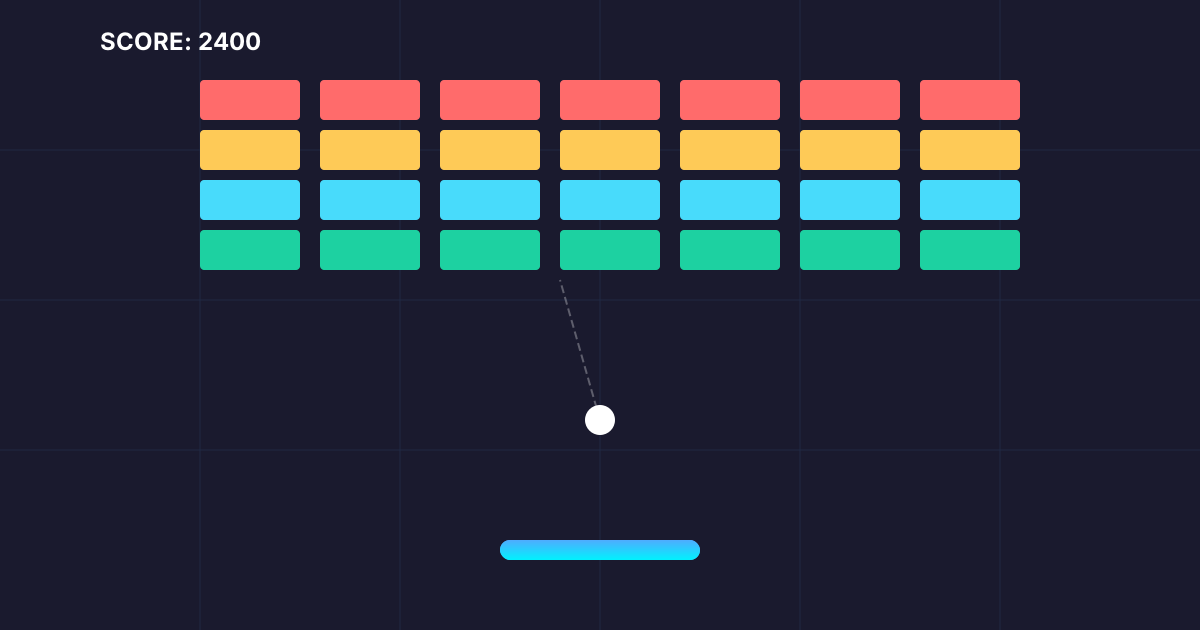
Classic brick-breaking game with paddle control
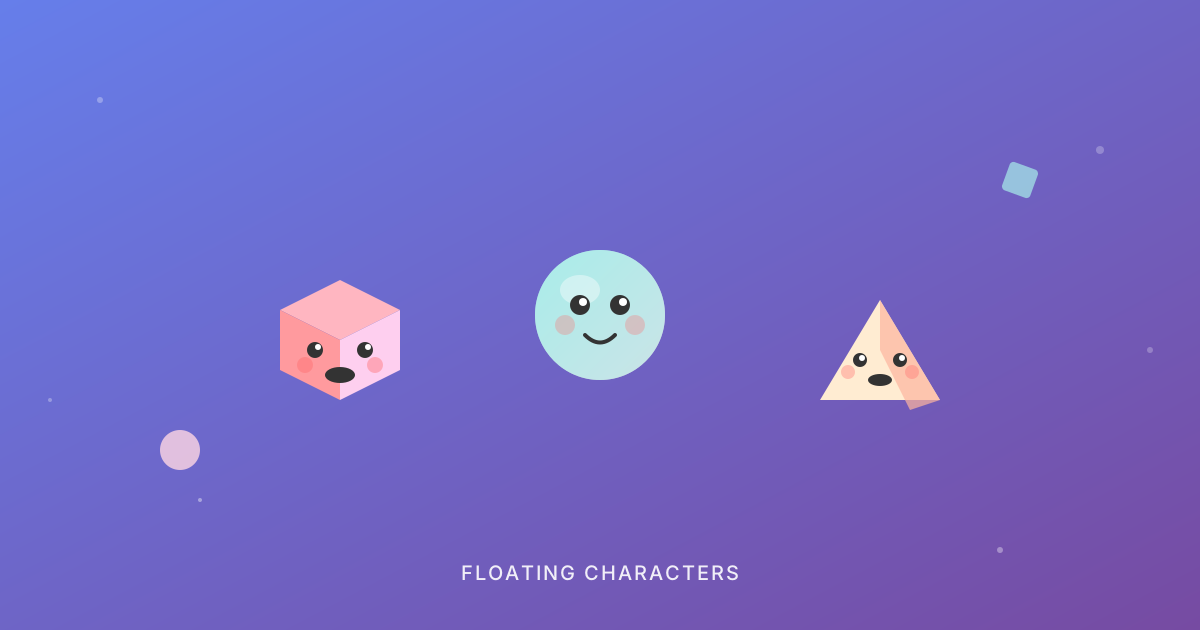
Cute geometric characters with faces floating in 3D space
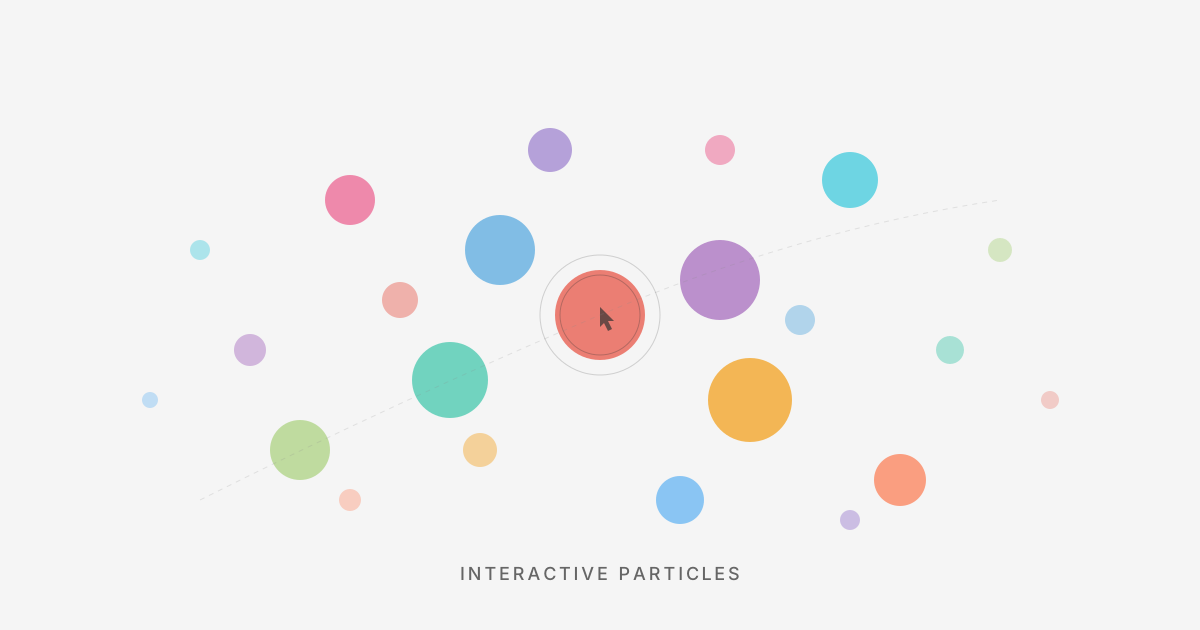
Interactive particle system following mouse cursor